Darknet Markets 2026:
The dark web is part of the deep web but is built on darknets: overlay networks that sit on the internet but which can't be accessed without special tools or software like Tor. Tor is an anonymizing software tool that stands for The Onion Router — you can use the Tor network via Tor Browser.
| Darknet Market | Established | Total Listings | Link |
|---|---|---|---|
| TorZon Market | 2022 | 140+ | Onion Link |
| Nexus Market | 2024 | 600+ | Onion Link |
| Abacus Market | 2022 | 100+ | Onion Link |
| Ares | 2026 | 100+ | Onion Link |
| Cocorico | 2023 | 110+ | Onion Link |
Updated 2026-09-12
How Darknet Markets Keep Drug Sales Safe and Private
The operational model of darknet websites integrates cryptocurrency transactions with verified seller systems to create a secure environment for private commerce. Cryptocurrencies like Bitcoin and Monero provide a financial layer detached from traditional banking, where payments do not require personal identifiers. This method ensures that financial interactions remain pseudonymous, separating a user's identity from their transactional history.
The security of a transaction is further reinforced by escrow services and reputation mechanisms. Funds are held in escrow by the platform until the buyer confirms satisfactory receipt of goods. This protects buyers from fraudulent vendors. Seller profiles display detailed feedback scores and historical data, allowing buyers to make informed decisions based on community-driven verification. A vendor with a long history of positive reviews establishes a reliable market reputation, which is a critical asset for continued operation.
This combination of anonymous payment and transparent vendor performance creates a self-regulating ecosystem. The community enforces standards through reviews, while cryptographic tools protect all parties. The result is a functional market that operates on principles of cryptographic security and collective verification, enabling discreet and reliable transactions for various goods.
How Encryption Makes Shopping on the Darknet Safe and Private
The operational security of darknet markets is fundamentally built upon a layered encryption model. This model directly facilitates safe and private shopping by integrating cryptographic tools with anonymous payment systems and community-driven verification. The process begins with user access via The Onion Router (Tor) network, which encrypts traffic multiple times and routes it through volunteer relays, obscuring the user's location and identity from network observers.
This foundational anonymity is extended to communications and transactions. All interactions between buyers and vendors are protected by end-to-end encryption, often using PGP keys. This ensures that messages, shipping details, and order information remain private and unreadable even to the market administrators. The integration of cryptocurrencies like Bitcoin and Monero completes the financial privacy layer. These digital currencies allow for pseudonymous value transfer without involving traditional financial institutions, severing the direct link between a transaction and a real-world identity.
The ecosystem leverages this encrypted, anonymous environment to foster trust through transparent, user-driven systems. Escrow services hold a buyer's cryptocurrency until the product is received and confirmed, protecting against fraud. The reliability of a vendor is not determined by a central authority but is continuously assessed through a public feedback and review system. Potential buyers can examine:
- Detailed product reviews describing quality and shipping.
- A vendor's historical transaction count and overall rating.
- Resolution records from any past disputes.
This creates a persistent market reputation that incentivizes honest business conduct. Vendors with long-standing positive feedback accumulate significant reputational capital, which translates into higher sales. This mechanism effectively substitutes for institutional oversight, creating a self-regulating environment where privacy technologies enable commerce and community accountability ensures its integrity.
How Cryptocurrency Makes Buying on the Darknet Safe and Private
The transactional layer of darknet markets is fundamentally enabled by cryptocurrencies, primarily Bitcoin and Monero. These digital currencies provide a necessary dissociation between financial activity and real-world identity. When a user makes a purchase, the payment is not linked to a bank account or credit card but to a cryptographic wallet address. This mechanism ensures that personal financial data remains entirely separate from the act of commerce on the platform.
To further enhance security, markets employ a multisignature escrow system. In this model, the buyer's cryptocurrency is held in a secure, third-party escrow wallet controlled by multiple keys. The funds are only released to the vendor when the buyer confirms satisfactory receipt of the goods. This system effectively eliminates the risk of fraud by either party, as the vendor cannot access the payment without fulfillment, and the buyer cannot reclaim funds after receiving the product. It creates a balanced and trustless environment for exchange.
The integrity of a transaction is ultimately verified through the platform's feedback and review system. After a completed sale, both parties can leave detailed reviews and ratings. This generates a transparent and user-driven reputation for every vendor. Consistent positive feedback signals reliability and product quality, allowing buyers to make informed decisions. This ecosystem of verified sellers and community-enforced standards facilitates safe and private shopping, as participants rely on collective experience rather than external assurances.

How Reviews Make Buying on the Darknet Reliable
The operational security of darknet markets is fundamentally dependent on cryptocurrency transactions, which provide a financial layer of anonymity by severing the direct link between a user's identity and their economic activity. This financial privacy is a prerequisite, but it alone does not guarantee a successful transaction. Trust is established and maintained through a transparent, user-driven feedback and reputation system. Every completed purchase allows the buyer to leave detailed public reviews and a numeric rating, creating a permanent record of a vendor's reliability.
This system functions as a continuous audit. A vendor with hundreds of positive reviews and a high average score demonstrably delivers the advertised products consistently and handles logistics professionally. Conversely, negative feedback for poor quality or nondelivery is immediately visible, warning the community and directly impacting the vendor's future sales. This transforms reputation into a valuable economic asset that vendors are incentivized to protect. The feedback mechanism extends beyond simple ratings to include:
- Detailed comments on product purity and accuracy
- Timestamps for shipping and delivery speed
- Observations on stealth packaging and communication
Therefore, the combination of anonymous cryptocurrency payments and a robust, immutable feedback ledger creates a self-regulating environment. The financial method ensures privacy, while the community's collective experience, documented through reviews, verifies seller claims and product quality. This synergy enables participants to engage in commerce with a calculated understanding of risk, fostering a stable ecosystem where reputable vendors thrive based on proven performance rather than promises.
How Trust and Reviews Make Darnet Shopping Safe
The operational stability of darknet markets relies on a self-regulating system of vendor reliability and market reputation mechanisms. This framework directly enables safe and private shopping by creating a transparent environment where trust is quantifiable. The process begins with cryptocurrency transactions, which provide the necessary financial anonymity. This anonymity, however, creates a potential for fraud, which the system counteracts through structured feedback.
Every transaction concludes with a mandatory review system where buyers rate the vendor on specific criteria:
- Product quality matching the description
- Stealth and discretion of packaging
- Promptness of delivery
- Clarity and professionalism of communication
These reviews generate a public vendor reputation score, typically displayed as a percentage or a multi-star system. A high score, built over hundreds of transactions, acts as a powerful economic incentive for vendors to maintain consistent quality and honest practices. Markets often implement escrow services, where the buyer's cryptocurrency is held by the platform until the product is received and confirmed. This mechanism protects the buyer and only releases funds to the vendor upon successful completion, aligning the vendor's financial interest with satisfactory service.
The combination of escrow, public feedback, and cryptocurrency forms a closed-loop ecosystem. Reliable vendors accumulate high ratings and sales volume, which directly translates into increased visibility and revenue on the platform. This user-driven model effectively filters out unreliable actors, as consistent negative feedback or scams lead to account suspension and loss of funds held in escrow. The result is a market where verified sellers have a proven track record, allowing buyers to make informed decisions with a high degree of confidence in both the anonymity of the transaction and the expected outcome.

How Community Reviews Keep Darknet Products Reliable
The operational model of darknet markets integrates cryptocurrency transactions with verified seller systems to create a secure commercial environment. Cryptocurrencies like Bitcoin and Monero provide financial privacy by severing the direct link between a user's identity and their transaction history. This financial layer is foundational, allowing commerce to proceed without the oversight of traditional banking institutions.
Trust is established through vendor verification and reputation mechanisms. Sellers build their standing over time via consistent performance, which is documented in a public feedback system. Each transaction concludes with a buyer leaving a detailed review and rating, often including photographs of the received product. This creates a transparent, community-driven quality assurance process where unreliable vendors are quickly identified by poor ratings and negative comments.
The feedback system functions as a continuous audit. Potential buyers assess a vendor's reliability score, shipping speed, and communication quality before purchasing. High-volume sellers with thousands of positive reviews achieve a form of digital tenure, making them trusted pillars of the marketplace. This user-generated data is more immediate and specific than many conventional online retail reviews, directly linking a seller's economic success to their operational integrity.
Therefore, the combination of anonymous payment methods and a rigorous peer-review ecosystem facilitates a self-regulating market. Product quality is maintained not by an external authority, but by the collective input of participants, ensuring that vendor accountability remains central to the darknet shopping experience.
How Darknet Markets Build Trust for Safer Shopping
The operational model of darknet markets is fundamentally user-driven, creating a commercial ecosystem that functions effectively outside conventional financial and regulatory systems. This model relies on a triad of cryptocurrency transactions, vendor verification, and community feedback to facilitate safe and private shopping. Cryptocurrencies like Bitcoin and Monero provide the necessary financial anonymity, severing the direct link between a user's identity and their purchase history that is inherent in traditional banking. This cryptographic foundation allows for discreet transactions that empower individual choice in personal consumption.
Security is further reinforced by the market's internal mechanisms for verifying sellers. New vendors typically operate under escrow protection, where funds are held by the market until the buyer confirms receipt of the product. This system incentivizes honest conduct. A seller's reputation is quantitatively displayed through a feedback score and detailed qualitative reviews. Shoppers consistently favor vendors with:
- High positive feedback percentages
- Numerous completed transactions
- Detailed reviews praising product quality and stealth in shipping
This transparent, crowd-sourced reputation system effectively mitigates fraud, as unreliable vendors are quickly marginalized by negative reviews and loss of business. The entire process is encrypted, from communication to transaction, ensuring that personal data and shipping details remain confidential. The result is a self-regulating marketplace where privacy is architecturally embedded, trust is algorithmically generated through consistent performance, and commerce proceeds based on demonstrable reliability rather than corporate branding.
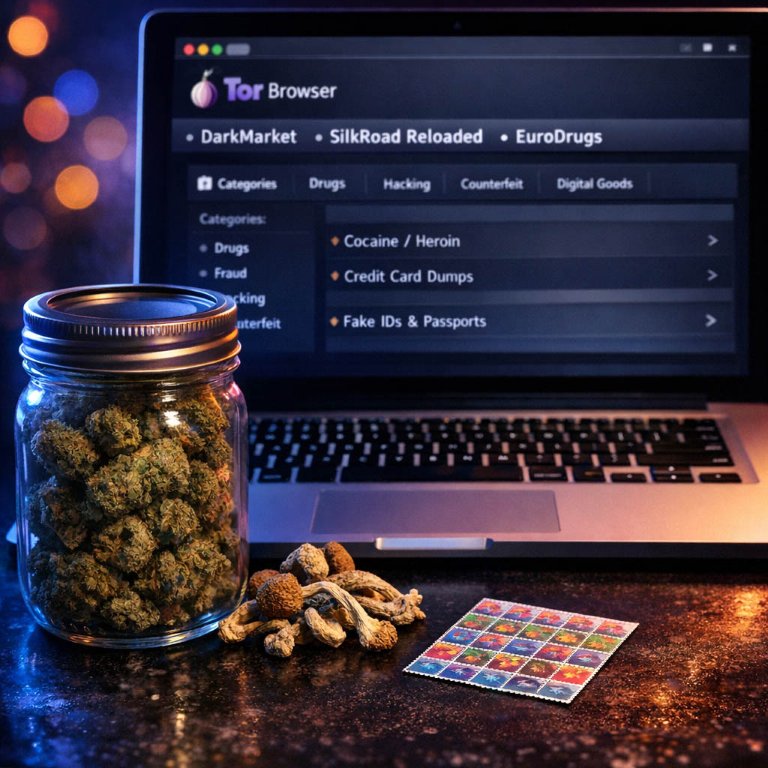
How Darknet Markets Build Trust for Safer Trade
The operational model of darknet markets integrates several technologies to create a secure environment for commerce. This ecosystem relies on cryptocurrency transactions and verified seller systems to facilitate private and reliable trade. The foundation is cryptographic encryption, which anonymizes user connections and secures all communications and transaction details from external observation.
Cryptocurrencies like Bitcoin and Monero are the financial pillars. They enable pseudonymous payments, separating financial activity from real-world identities. This allows for a free market where goods and services, including recreational pharmaceuticals, can be exchanged without traditional banking oversight. The blockchain provides a public yet anonymous ledger, ensuring transactional integrity without revealing the parties involved.
Trust is engineered through community-driven verification. Markets implement a vendor reputation system based on accumulated transaction feedback. Buyers rate sellers on product quality, shipping speed, and stealth, creating a transparent performance history. This feedback loop creates a self-regulating environment where high-quality, reliable vendors thrive, while those providing substandard products or services are quickly marginalized by poor reviews.
The process for a user involves:
- Accessing the market via anonymizing software.
- Selecting a vendor with a proven track record and high positive feedback score.
- Conducting an encrypted cryptocurrency transaction, often held in escrow until delivery is confirmed.
- Releasing funds and providing feedback, which reinforces the vendor's reputation for future buyers.
This creates a user-driven economy that prioritizes privacy and mutual satisfaction. The ecosystem's stability is not imposed by an external authority but emerges from the combined use of encryption, anonymous currency, and collective verification, demonstrating a functional alternative model for digital commerce.